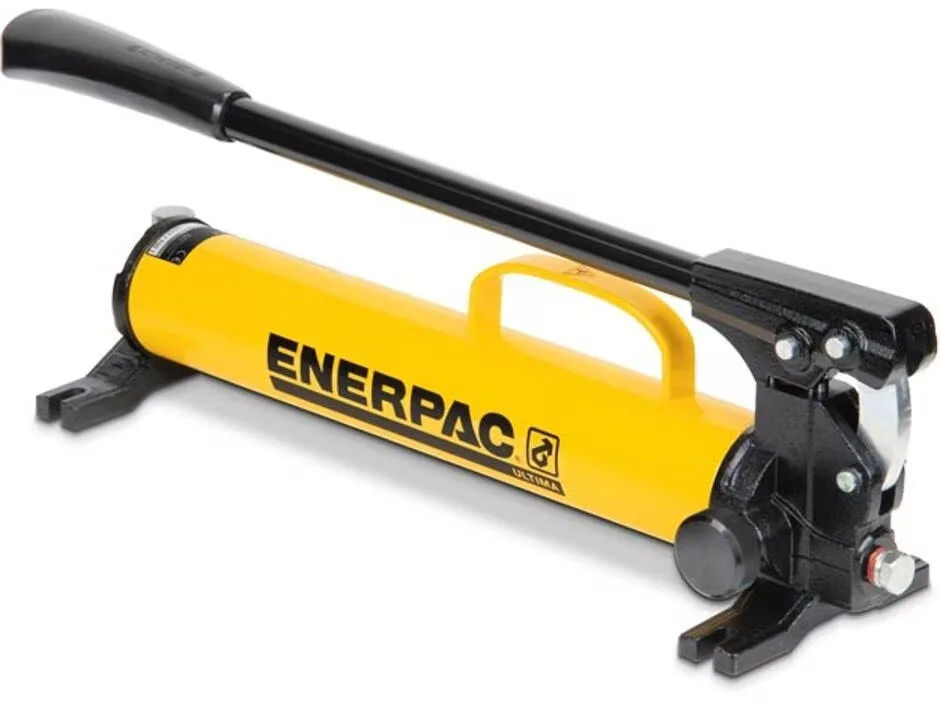
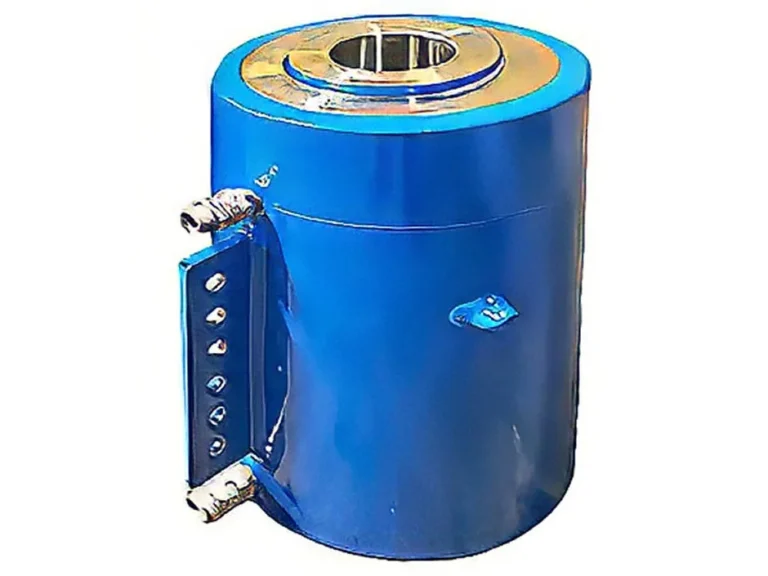
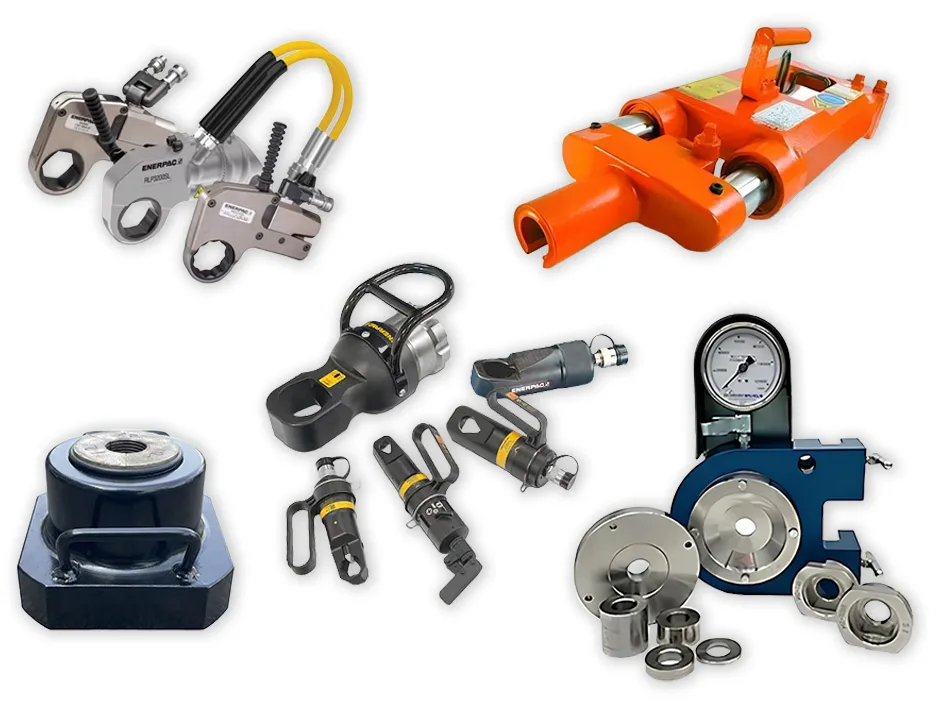
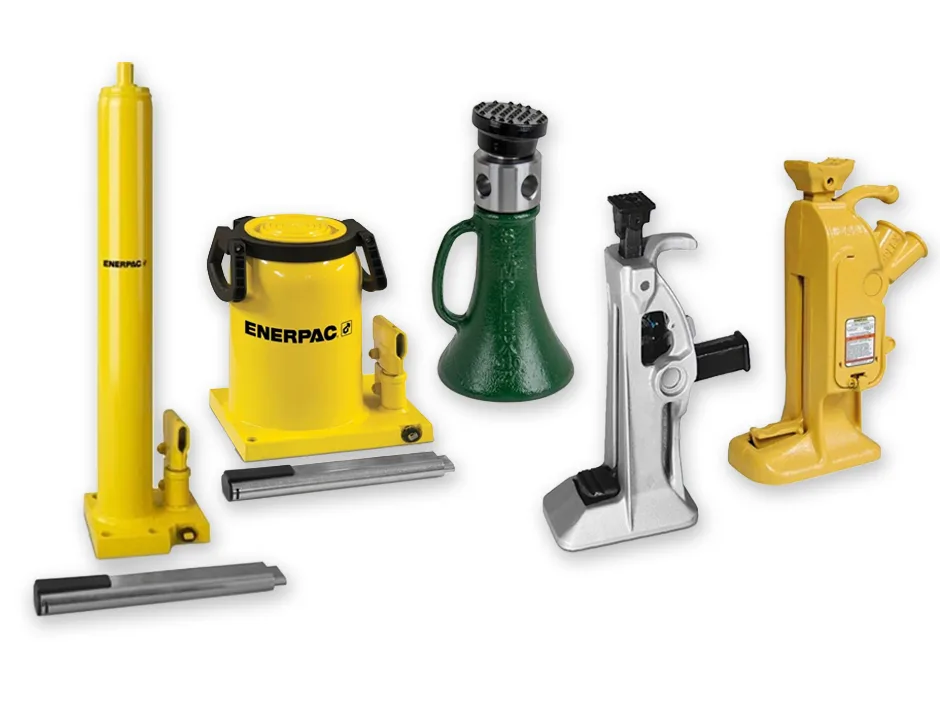
Yes. Hydraulic flange spreading is one of the most common applications.
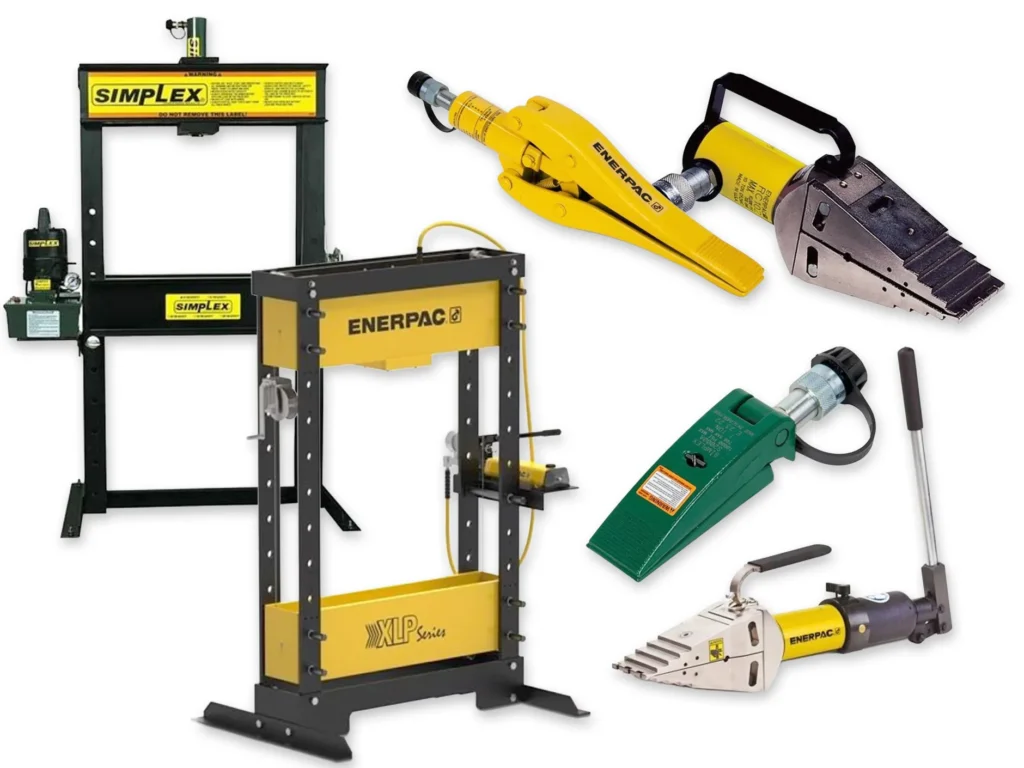
Hydraulic spreaders are widely used for flange separation during pipeline and plant shutdown work. They allow contractors to open flanges safely for gasket replacement, inspection, or maintenance without damaging flange faces. Flange spreaders are often preferred over wedges and pry bars because they provide controlled force and reduce safety risks during disassembly operations.
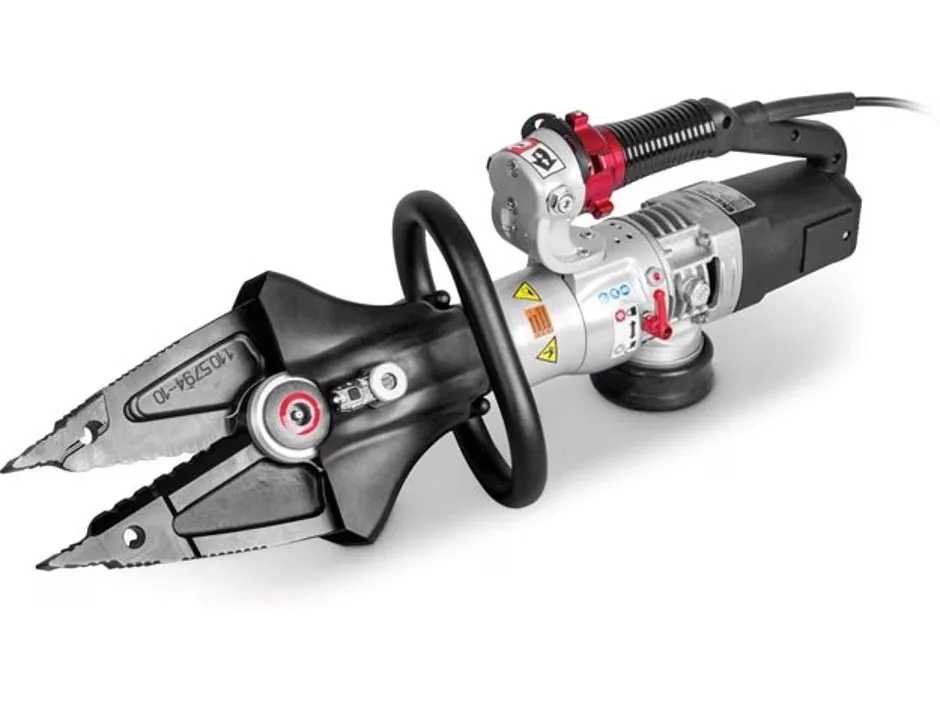
Wedge spreaders fit into tight gaps, while jaw spreaders provide wider opening range for general spreading work.
Wedge spreaders are compact tools designed to fit into very small gaps, making them ideal for flange separation and confined access applications. Jaw spreaders typically have a larger opening range and are used for general spreading and separation tasks where more clearance is available. Selecting the correct spreader type depends on the gap size, required force, and application.
Yes. Rebar grips are commonly used with hydraulic cylinders and rams for tensioning work.
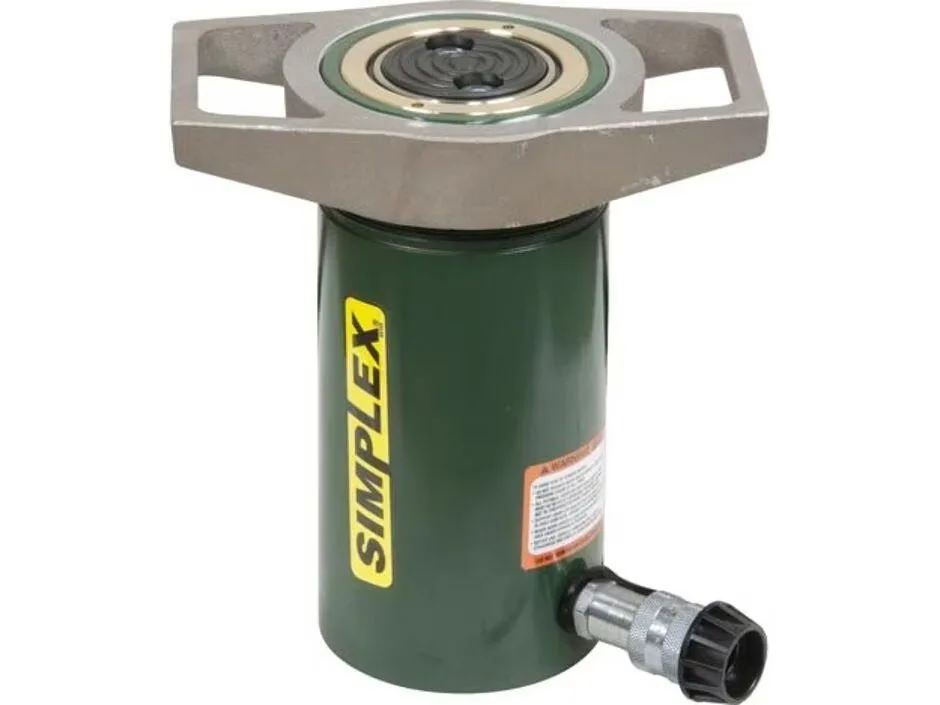
Hydraulic cylinders provide controlled pulling force for tensioning and load testing operations. Rebar grips attach to the rebar and allow the cylinder to apply load without slipping. This setup is commonly used in heavy construction projects where precise tensioning is required. Hydraulic Rentals can supply compatible cylinder and pump packages along with rebar grip rentals.
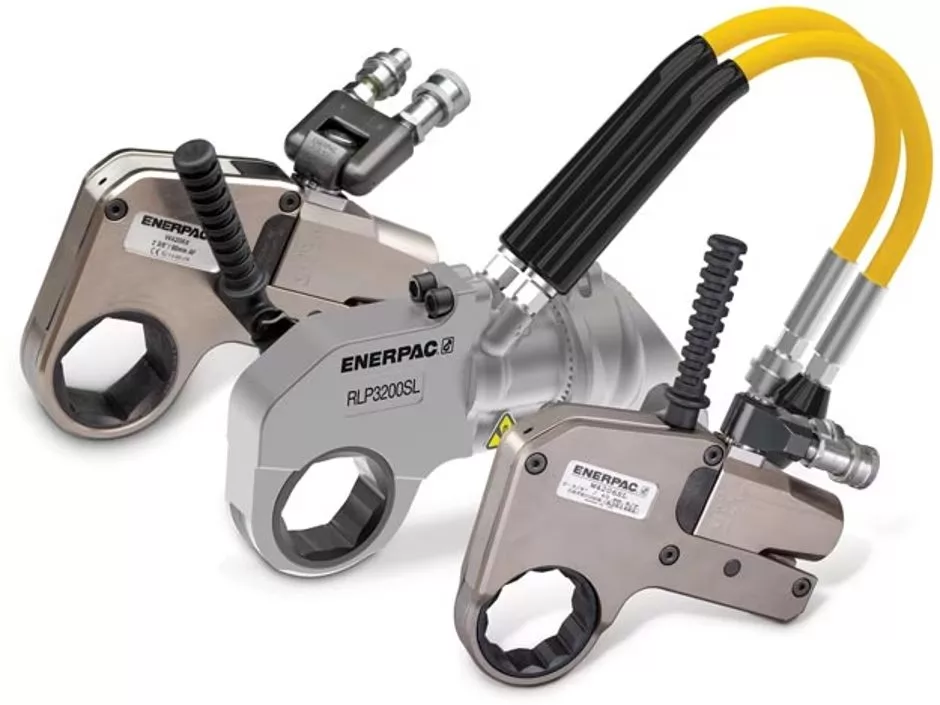
Torque is controlled by adjusting hydraulic pressure using the pump and referencing the wrench torque chart.
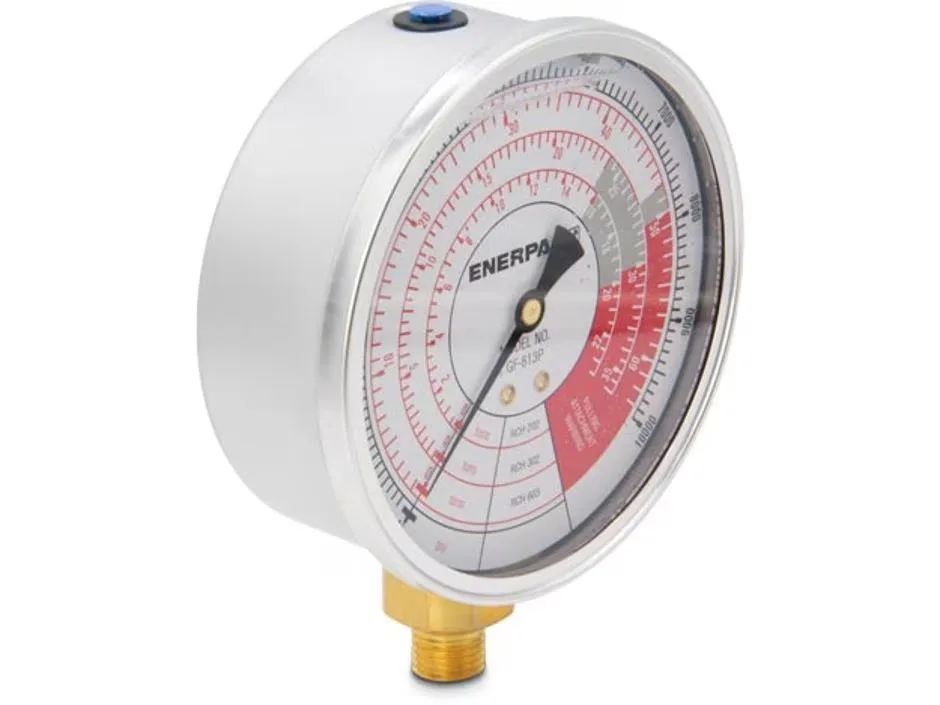
Hydraulic torque wrench systems produce torque output based on hydraulic pressure. The operator sets the pump pressure to a specific PSI value and uses the manufacturer torque chart to match that pressure to the required torque output. This allows consistent bolt tightening across multiple fasteners and helps prevent over-torque or under-torque conditions. Accurate pressure gauges are essential for safe bolting performance.
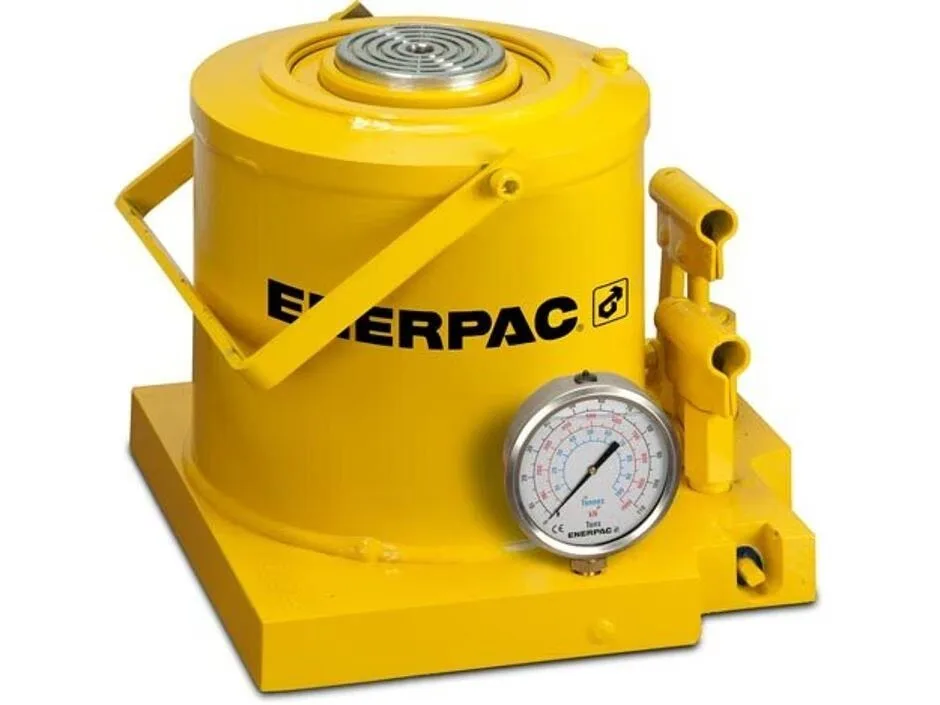
Bottle jacks contain hydraulic cylinders but are considered hydraulic jacks.
Bottle jacks use an internal hydraulic cylinder mechanism to create lifting force, but the overall unit is designed as a portable self-contained lifting jack.
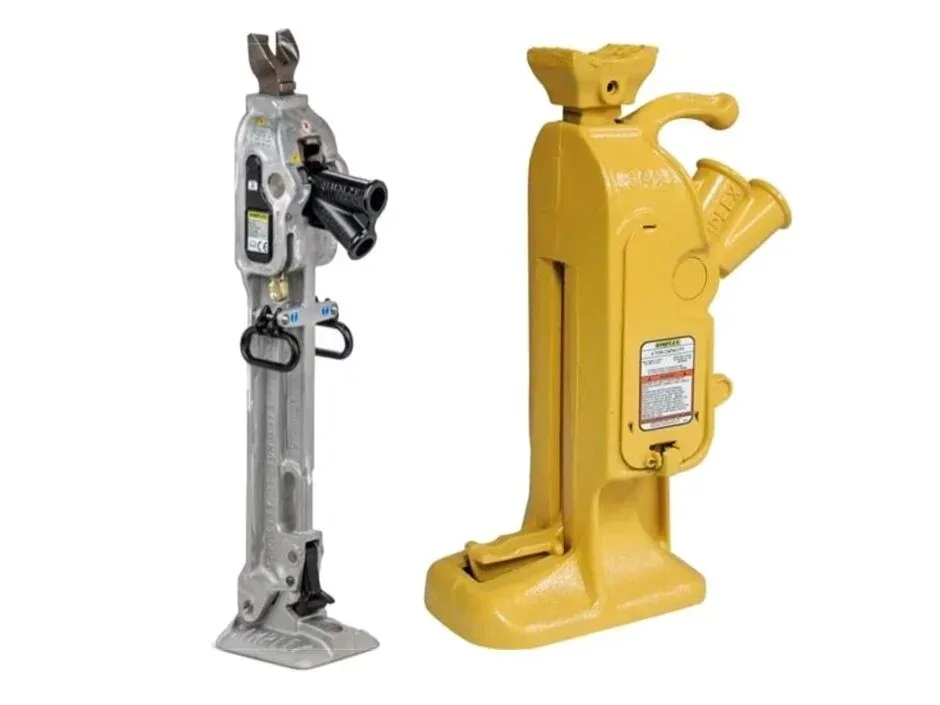
A mechanical ratchet jack is a manually operated lifting jack that uses a ratcheting mechanism to raise heavy loads incrementally.
Mechanical ratchet jacks use a climbing ratchet mechanism that advances the lifting system step-by-step as the operator moves the handle. These jacks provide controlled lifting and mechanical load holding without requiring hydraulic pumps or external power sources.